
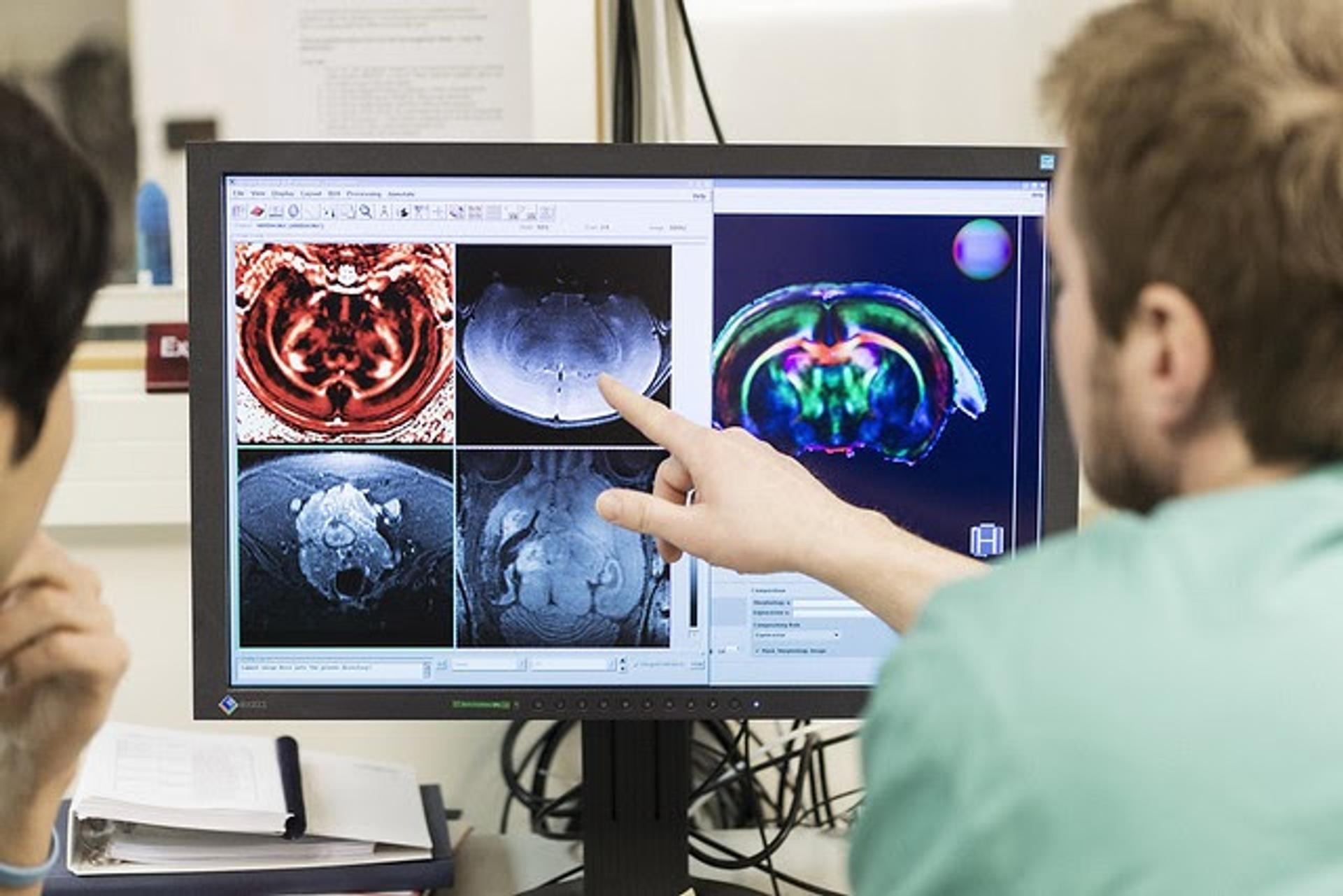
In the dynamic world of healthcare, diagnostic imaging plays a crucial role in identifying and treating various medical conditions. Magnetic Resonance Imaging (MRI) is a sophisticated imaging technique that utilizes powerful magnets and radio waves to create detailed images of the internal structures of the body.
As the demand for skilled healthcare professionals continues to rise, becoming an MRI Tech is an excellent career choice for those passionate about techsslash.com and patient care. In this comprehensive guide, we will delve into the steps and requirements to pave your way to becoming a successful MRI Tech.
1: Understanding the Role of an MRI Tech
Before embarking on your journey to become an MRI Tech, it’s essential to grasp the significance of the role. MRI Technologists, also known as MRI Techs or MRI Technicians, are responsible for operating MRI machines and ensuring high-quality images are captured. They work closely with patients, explaining procedures, and positioning them correctly for optimal imaging results. Additionally, MRI Techs collaborate with radiologists and other healthcare professionals to interpret images and provide accurate diagnoses.
2: Educational Requirements
Becoming an MRI Tech requires a solid educational foundation. Most employers seek candidates with a minimum of an associate degree in magnetic resonance imaging or a related field. Some MRI Techs pursue a bachelor’s degree for enhanced career prospects and specialization opportunities.
The coursework typically includes anatomy, physiology, medical ethics, and radiographic procedures. Additionally, students undergo hands-on training in MRI technology, gaining practical experience in operating the equipment.
To choose the right educational path, aspiring MRI Techs should research accredited programs offered by universities, community colleges, or vocational schools. Accreditation ensures that the program meets industry standards, providing students with a comprehensive and relevant education.
3: Clinical Training and Internship
In addition to completing the academic requirements, aspiring MRI Techs must undergo clinical training and internships to gain practical experience. This hands-on training is crucial for developing the skills necessary to operate MRI machines effectively and interact with patients in a healthcare setting.
During clinical training, students work under the supervision of experienced MRI Technologists, participating in real-world scenarios and learning to adapt to the fast-paced healthcare environment. This phase of the education process helps bridge the gap between theory and practical application, preparing students for the challenges they will face in their careers.
4: Certification and Licensing
Once you’ve completed your education and clinical training, the next step is to obtain certification. Certification is often required by employers and demonstrates that you have met the necessary standards to practice as an MRI Tech. The American Registry of Radiologic Technologists (ARRT) offers the primary certification for MRI Technologists.
To qualify for ARRT certification, you must meet specific educational requirements, complete clinical training, and pass the ARRT exam. Maintaining certification may also require continuing education to stay current with advancements in MRI technology and healthcare practices.
In addition to certification, some states have licensing requirements for MRI Technologists. It’s crucial to research and understand the licensing regulations in the state where you plan to work, as these requirements may vary.
5: Specialization and Continuing Education
As technology continues to advance, MRI Technologists have opportunities for specialization in various areas. Advanced certifications in specialized imaging techniques or subspecialties, such as cardiovascular or musculoskeletal imaging, can enhance your career and open doors to more specialized job opportunities.
Continuing education is a fundamental aspect of a career as an MRI Tech. Staying abreast of advancements in technology, imaging protocols, and healthcare practices is essential for providing the best possible patient care. Many professional organizations and institutions offer workshops, seminars, and online courses for MRI Technologists to continue their education throughout their careers.
6: Skills and Qualities of a Successful MRI Tech
In addition to formal education and certification, successful MRI Technologists possess a unique set of skills and qualities that contribute to their effectiveness in the workplace. These include:
- Technical Proficiency: A solid understanding of MRI technology and the ability to operate and troubleshoot MRI machines efficiently.
- Communication Skills: The capacity to communicate effectively with patients, explaining procedures and ensuring their comfort during imaging.
- Attention to Detail: Precision is crucial in capturing high-quality images, making attention to detail a vital skill for MRI Techs.
- Critical Thinking: The ability to think critically and problem-solve in real-time situations, especially when faced with challenging imaging scenarios.
- Compassion and Empathy: A genuine concern for patients’ well-being and the ability to empathize with those undergoing medical procedures.
- Team Collaboration: MRI Techs work closely with radiologists, nurses, and other healthcare professionals. Collaborative skills are essential for effective patient care.
7: Job Outlook and Salary
The demand for MRI Technologists is expected to grow in the coming years due to advancements in medical imaging technology and an aging population. According to the U.S. Bureau of Labor Statistics, employment of radiologic and MRI technologists is projected to increase by 7% from 2020 to 2030, faster than the average for all occupations.
The median annual wage for MRI Technologists was $74,690 as of May 2020, with variations based on factors such as location, experience, and specialization. MRI Techs working in hospitals, diagnostic imaging centers, and outpatient care centers may have different salary ranges.
8: Job Search and Career Advancement
After completing your education, obtaining certification, and gaining clinical experience, it’s time to enter the job market as a certified MRI Tech. Job opportunities can be found in various healthcare settings, including hospitals, imaging centers, and physician offices. Networking, utilizing job boards, and attending industry conferences can help you connect with potential employers and advance your career.
As you gain experience in the field, you may explore opportunities for career advancement. Some MRI Technologists move into supervisory or managerial roles, while others choose to specialize further in areas such as education, research, or advanced imaging techniques.
Conclusion
Becoming an MRI Tech is a rewarding journey that combines cutting-edge technology with compassionate patient care. By following the steps outlined in this comprehensive guide, you can build a solid foundation for a successful career in magnetic resonance imaging.
