
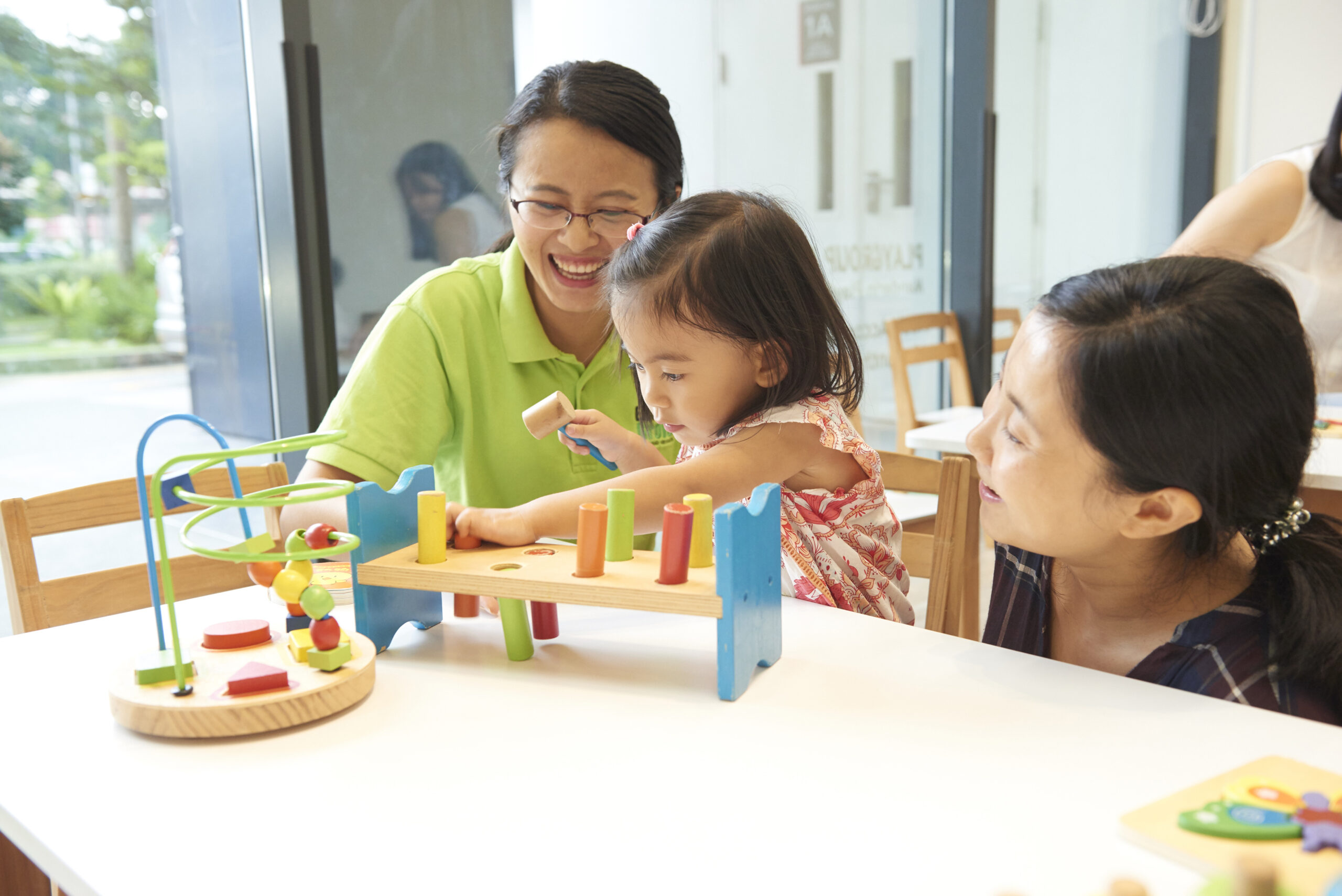
In today’s increasingly globalized world, the importance of early language acquisition cannot be overstated, particularly for young learners in kindergarten. As educators and parents seek effective strategies to bolster language development, Chinese enrichment classes for K2 students have emerged as a valuable asset in fostering both vocabulary enhancement and confidence in language use. These specialized programs go beyond traditional curriculum by integrating immersive language experiences that engage young minds through interactive activities, storytelling, and cultural exploration. By creating a nurturing environment that encourages communication and expression, these classes serve not only to enrich vocabulary but also to cultivate a sense of self-assuredness in language abilities. Research indicates that early exposure to a second language significantly benefits cognitive development and enhances academic performance in subsequent years. As children navigate through these enriching experiences, they develop not only linguistic skills but also essential social competencies, laying a solid foundation for future learning. Build a strong language foundation with engaging Chinese enrichment classes for K2 at Mandarin Stars, designed to boost confidence, vocabulary, and early literacy skills. This article will explore the multifaceted benefits of Chinese enrichment classes, highlighting their role in improving vocabulary and building confidence among K2 students, ultimately showcasing how such programs contribute to a more linguistically and culturally aware generation.
Enhancing Vocabulary Through Immersive Learning Experiences
Immersive learning experiences serve as powerful tools for vocabulary enhancement, particularly in young learners. By engaging students in environments rich with contextual language use, such as interactive storytelling or themed role-play, educators can foster meaningful connections between new words and their practical applications. This approach not only enriches language comprehension but also cultivates emotional and cognitive engagement, making the learning process more dynamic and memorable.
Furthermore, these experiences often encourage collaboration among peers, providing opportunities for dialogue and discussion that reinforce vocabulary acquisition. As children navigate through relatable scenarios, they naturally practice new words in context, which significantly improves retention. Through such interactive methods, learners are not just passive recipients of information; they become active participants in their own linguistic development, building confidence alongside their expanding vocabulary.
Building Confidence in Language Expression Skills
Encouraging children to express themselves verbally in a supportive environment plays a crucial role in developing their confidence in language skills. Through activities such as group discussions, presentations, and creative storytelling, students are given the chance to articulate their thoughts and ideas with peers and educators. This practice instills a sense of ownership over their language use, allowing them to experiment with vocabulary and sentence structure without the fear of judgment. As they receive positive reinforcement from their interactions, learners begin to see language expression not just as a skill to be mastered, but as a natural extension of their communication abilities.
Moreover, fostering a culture of encouragement and constructive feedback helps to mitigate anxiety surrounding language expression. By framing mistakes as valuable learning opportunities, educators can help students view challenges as essential steps in their growth. As children learn to navigate their fears of public speaking or complex expression, they gain essential tools for self-assurance that extend beyond language. This holistic approach not only enhances their linguistic capabilities but also builds a foundation of confidence that empowers them in various aspects of their educational journey.
Encouraging Social Interaction Among Peers
Group projects and peer-to-peer interactions not only enhance their linguistic capabilities but also encourage the development of interpersonal skills essential for effective communication. This dynamic environment enables students to share diverse perspectives, enriching their vocabulary through exposure to varied expressions and ideas.
Additionally, structured social interactions promote a sense of belonging among peers, which is vital for emotional and social development. As children navigate group dynamics, they cultivate empathy and understanding, learning to appreciate differences in communication styles and thought processes. This collaborative atmosphere not only accelerates language acquisition but also reinforces their confidence as they become more adept at engaging with others. The interplay of social interaction and language learning creates a comprehensive educational experience that prepares young learners for future academic and social endeavors.
Fostering a Love for Language
The cultivation of a passion for language is pivotal in nurturing young learners’ curiosity and creativity. By immersing children in an enriching linguistic environment, they are encouraged to explore the nuances of expression while developing a profound appreciation for the beauty of words. Engaging with diverse texts, stories, and dialogues inspires excitement and wonder, transforming language learning from a mere academic task into a delightful journey of discovery. This intrinsic motivation fosters a lifelong love for language, empowering students to articulate their thoughts and feelings confidently.
Moreover, a strong foundation in language empowers children to express themselves more clearly and effectively in various contexts. Through storytelling, poetry, and interactive activities, they not only build their vocabulary but also learn to convey complex ideas and emotions with clarity. As children recognize the power of language in shaping their identities and connecting with others, they become more adept communicators. This confidence not only enhances their academic performance but also enriches their interpersonal interactions, laying the groundwork for meaningful relationships and successful collaboration throughout their lives.
Supporting Development with Experienced Instructors
Experienced instructors play a crucial role in guiding young learners through the complexities of language acquisition. Their expertise allows them to create tailored learning experiences that address the unique needs of each child, fostering an environment conducive to exploration and growth. By leveraging tried-and-true teaching methodologies combined with current educational practices, these instructors instill confidence in their students, encouraging them to take risks with their language use. The personalized attention and feedback provided by knowledgeable educators help children navigate challenges, turning potential frustration into opportunities for mastery.
In addition to enhancing vocabulary and communication skills, experienced instructors serve as role models, demonstrating enthusiasm and passion for language. Their ability to connect with children on a personal level creates a supportive atmosphere where students feel safe to express themselves and make mistakes. This nurturing environment not only boosts confidence but also cultivates resilience, as children learn to embrace the learning process and view challenges as stepping stones to success. Through the guidance of skilled instructors, young learners are empowered to develop strong linguistic skills that will serve them well beyond the classroom.
Conclusion
Chinese enrichment classes for K2 students play a pivotal role in enhancing both vocabulary and confidence among young learners. By immersing children in a language-rich environment, these classes not only expand their linguistic abilities but also foster a sense of achievement that can positively impact their overall development. The structured yet playful approach of these programs encourages curiosity and engagement, ensuring that children are not only learning a new language but also building essential cognitive and social skills. As educators and parents recognize the long-term benefits of early language acquisition, the value of such enrichment opportunities for K2 students will undoubtedly continue to gain prominence in fostering a well-rounded educational experience.
